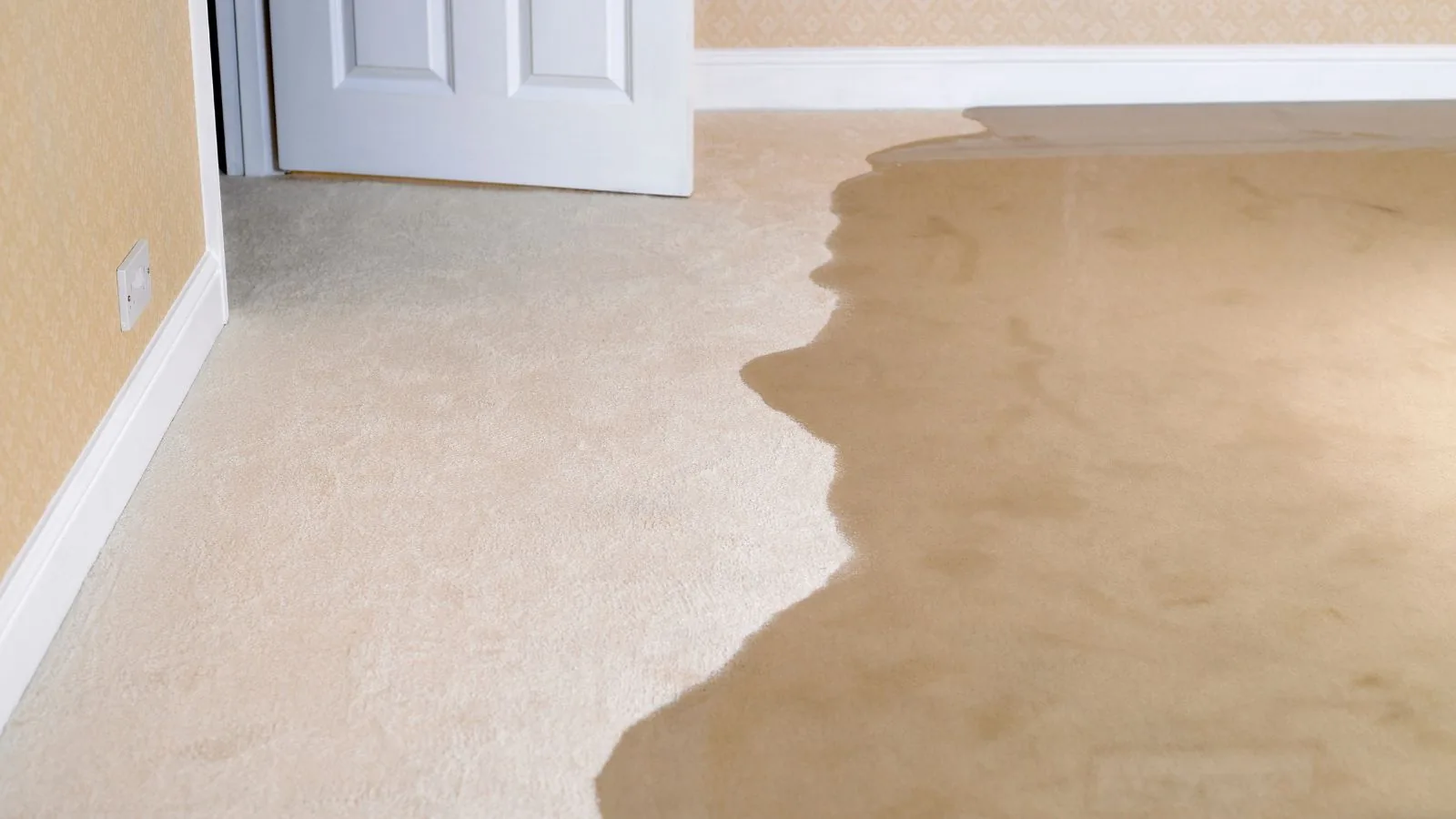
Carpet water damage restoration is the process of pulling water out of wet carpet and padding, drying the subfloor beneath, and deciding which layers can be kept. Selden Water Damage Pros dispatches licensed and insured crews in Selden, NY, 24/7, with same-day response when available.
If your carpet is squishing underfoot, stop the water source and take furniture legs off the fibers. Put foil or plastic tabs under heavy furniture and keep the room ventilated until we can take readings.
The wet carpet clock
Time matters more with carpet than with most materials, because the fibers hold water and the pad underneath acts like a sponge. Here is how the first two days usually run when the water is clean.
- Hour 0 to 4: stop the source, remove standing water and take photographs.
- Hour 4 to 24: extract water from the carpet and pad with a weighted wand or truck-mounted unit, and start air movement.
- Hour 24 to 48: dehumidify, check the subfloor with a moisture meter, and decide whether the pad can stay.
- After 48 hours: odor, staining and mold risk rise quickly, and more of the room may need to come out.
These windows follow EPA guidance to dry wet materials within 24 to 48 hours. They are a guide, not a promise, since the water category and the depth of the soak change every case.
Why the pad decides more than the carpet
Carpet fibers are often synthetic and dry well. The foam or rebond pad is the problem, since it holds water against the subfloor for days and can harbor odor. In many clean-water jobs we lift the carpet from the tack strip, discard the pad, dry the floor, and re-stretch the original carpet over new pad.
That approach costs far less in material than full replacement, and it keeps a carpet you may have chosen on purpose. It does depend on the backing still being sound and the carpet not delaminating.
Save it, clean it or throw it out
| Water source | Category | Typical decision |
|---|---|---|
| Supply line, sink overflow, ice-maker line | 1 (clean) | Extract, dry and often keep the carpet, replace the pad |
| Washer or dishwasher discharge, aquarium | 2 (grey) | Extract and sanitize, replace pad, carpet case by case |
| Toilet overflow with waste, sewage, river or ground water | 3 (black) | Remove carpet and pad, clean the subfloor |
| Clean water that sat for days | Treated as 2 or 3 | Remove pad, test carpet backing, expect odor |
| Water over a slab in a finished lower level | Varies | Dry the slab, check for moisture under tack strip |
Under S500, water categories rate how contaminated the water is. Class tells you how much material got wet. Together they set the plan, and your crew should be able to tell you both.
When rain or groundwater soaks the carpet
In August 2014, more than 13 inches of rain fell at Islip in about a day, and a Suffolk County and Town of Brookhaven state of emergency followed. Superstorm Sandy hit Long Island in October 2012. Water that enters through a doorway or rises from the ground is surface water, and we treat it as Category 2 or 3, so the pad goes out and the carpet is evaluated for removal.
Regular homeowners insurance usually excludes flood, so ask about separate flood coverage. For storm water coming in from outside, see our storm water damage cleanup page, and for rising ground water, our flood damage cleanup page.
How we dry carpet in place
When carpet can stay, we pull one corner from the tack strip, float the carpet over the wet pad, and run air movers underneath with a vented inlet so air actually moves across the subfloor. A thermal imaging camera shows cool wet areas on the floor so we can aim the equipment. LGR dehumidifiers pull moisture out of the room.
If the room is a finished lower level, the slab and the walls need drying too. Our basement water damage cleanup page covers the below-grade side, and structural drying explains how readings are tracked.
Costs: what moves the price of carpet restoration
- Water category, which decides whether carpet and pad can stay
- Number of rooms and square footage of wet carpet
- Carpet type, pad type and whether the carpet is glued or stretched in
- Drying days and equipment count
- Rebuild scope, including new pad, re-stretching and baseboard
Call for a scope and price explained before work starts. We will say plainly whether we expect to save the carpet.
Insurance basics for floors
Sudden and accidental water damage is often covered, and gradual leaks and neglect often are not. Check your policy, or ask your insurer how carpet and pad are treated. We document the loss with photos, moisture readings and a written scope for your claim.
Stay safe while you wait
Wet carpet and electricity
Do not plug in or touch cords lying on wet carpet. Turn off power to the room only if the panel is dry and safe to reach, and call 911 or the utility first for any gas or electrical danger.
If the water was sewage or came from outside, keep children and pets off the carpet and do not vacuum it. Wear rubber gloves and boots if you must enter.
Questions we hear in Selden
Can wet carpet be dried without replacing it?
Often yes, when the water was clean and drying started within a day or two. The pad is usually replaced, and the carpet is floated, dried and re-stretched. Contaminated water changes that answer.
How long does carpet take to dry?
Surface moisture can be gone in a day or two with extraction and air movers. The pad and subfloor take longer, often several days. We take moisture meter readings until they match a dry reference point.
My carpet dried but still smells. Why?
A damp odor usually means moisture is still in the pad or subfloor. It can also point to a source leak that was never fixed. Have it checked and see our mold remediation page if you see staining or growth.
Can I use a rented carpet cleaner on it?
It can pull some water, but household machines leave carpet damp and do nothing for the pad or subfloor. A weighted extraction wand removes far more. Rented units also cannot read moisture.
Do you cover homes outside Selden for carpet water damage?
Yes, we serve nearby towns, including Middle Island. Call and we will confirm what is available for your address.
Ready to talk it through?
Call (934) 223-1875