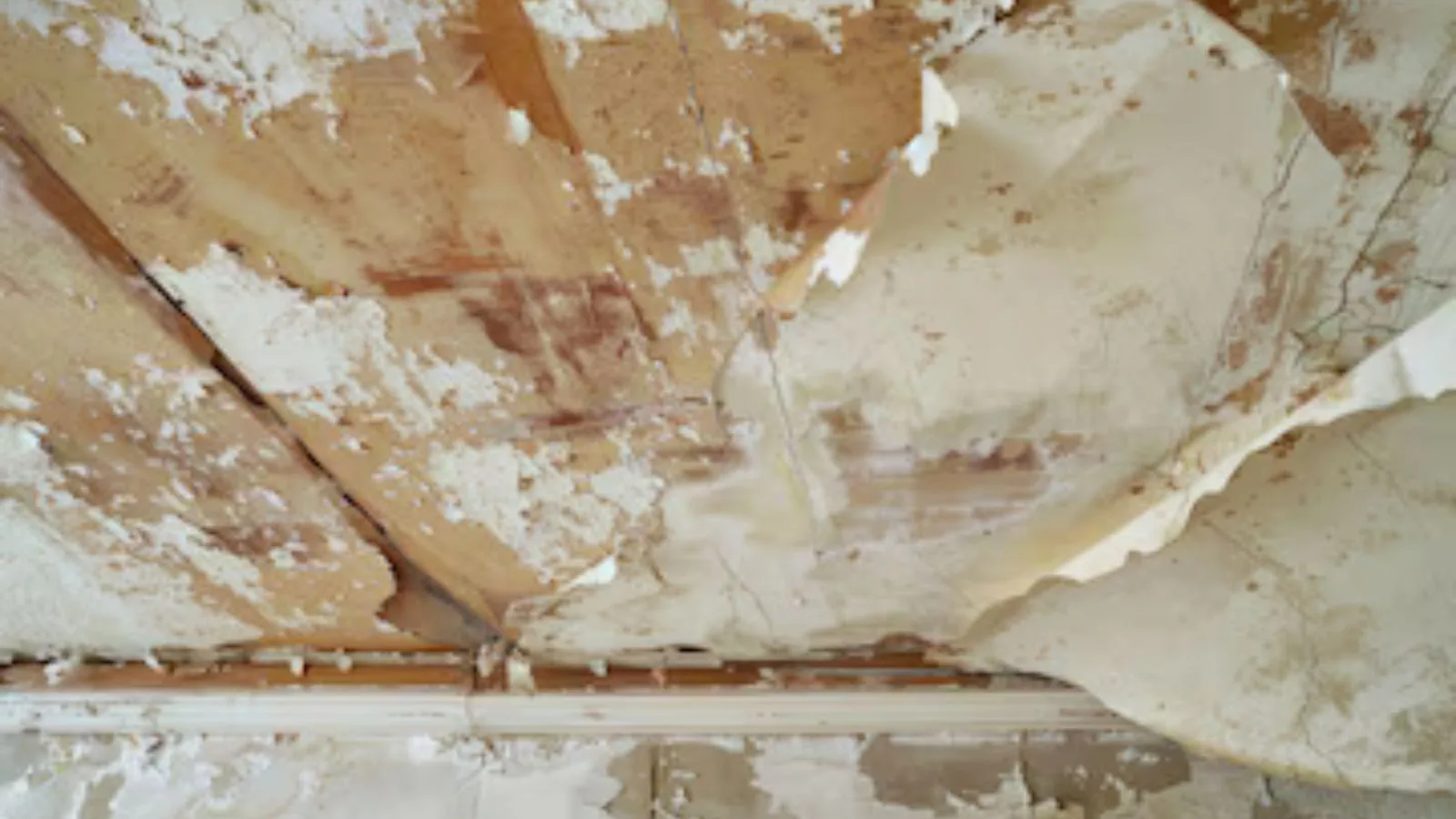
Wall and drywall water damage is moisture trapped in gypsum board, plaster, insulation and framing after a leak, which weakens the wall and feeds mold if it stays wet. Selden Water Damage Pros sends licensed and insured crews to homes in Selden, NY, with same-day response when available.
Start by finding which side of the wall is wet and whether the water is still arriving. If paint is bubbling, a baseboard has swollen, or the board feels soft, stay clear of the area and call before you poke or cut.
Reading a wet wall from the outside
| What you see | What it often means | What to do |
|---|---|---|
| Bubbling or peeling paint | Moisture behind the paint film | Do not scrape. Take a moisture reading first |
| Brown or yellow ring that grows | Recurring or ongoing leak behind the wall | Find the source, then dry and open the wall |
| Soft or crumbling board | Gypsum has lost strength after soaking | Plan on removal of that section |
| Swollen baseboard or trim | Water wicked up from the floor or sill | Check the flooring and the wall base |
| Musty smell, no visible stain | Hidden dampness in the cavity | Meter and thermal camera scan |
A stain that has dried and stopped growing may be old, but a damp reading means the wall is still wet. Only a meter can tell the two apart.
Why we cut the wall open
Gypsum board is paper-faced and soaks up water like a wick. Insulation then holds it against the studs. A moisture meter and a thermal imaging camera show where the wet zone ends, and we usually cut the board at least a hand's width above the highest wet reading.
Opening the cavity lets air movers and LGR dehumidifiers dry the studs and plates directly. Leaving wet board in place can trap water inside for weeks. The full approach, including how we track readings daily, sits under structural drying.
Drywall, plaster and paneling behave differently
Drywall
Clean water caught early may dry in place. Sewage, long soaking or crumbling means the board is cut out and replaced.
Plaster and lath
Plaster is denser and can dry in place more often, but cracked or loose plaster keys must be re-secured or replaced.
Paneling and trim
Real wood paneling can dry and stay. Fiberboard paneling swells and rarely recovers.
Insulation
Batts that got wet are usually removed. Dense foam may dry, but the cavity behind it needs checking.
Older walls in Selden houses
Postwar and 1950s through 1970s houses in Selden can have older drywall, paint and joint compound. A pre-1980 house may have materials that need testing before demolition, so ask about testing before wall sections are cut or sanded. Permit rules vary, so ask the Town of Brookhaven Division of Building about larger rebuilds.
If the leak came from an aging supply or drain line inside the wall, the same line may leak again. A licensed plumber should inspect and repair it. We are a restoration company, so plumbing, roofing and electrical work belong with those trades.
Patch, rebuild or replace the whole wall
Patching is right when a small area of board needs to be replaced and the framing is dry and sound. A full wall rebuild fits when wet reaches both sides, runs the whole length, or insulation and framing must be replaced. Cosmetic work follows drying: taping, mud, sanding, primer, then paint.
Texture and paint matching is the usual trade-off. Repaint to a natural break, such as a corner or ceiling line, to avoid a visible patch. If a ceiling came down or stained, our ceiling water damage repair page covers that side of the job.
When the wall stays wet
Mold needs moisture and organic material, and paper-faced board gives it both. If you see black or green growth or a persistent musty smell, our mold remediation page explains containment and clearance. A burst line behind a wall is its own emergency, covered on burst pipe water damage.
What drives the cost of wall repair
- Water category and how long the wall stayed wet
- Height and length of wall opened, and how many rooms
- Material: drywall, plaster, paneling and insulation type
- Drying days and equipment needed
- Rebuild scope, including taping, texture, paint and trim
We explain the scope and the price before work starts.
Insurance, briefly
Sudden and accidental water damage is often covered. A slow leak or long-term neglect often is not. Check your policy or ask your insurer. We document walls with photos, moisture readings and a written scope for your claim, including homes near us in Middle Island.
Do this while you wait
- Turn off the water supply if you know where the valve is
- Cut power to the area only if the panel is dry and safe to reach, and call 911 or the utility first for gas or electrical danger
- Stay out from under any ceiling that sags or drips
- Move furniture and cords away from the wet wall
- Photograph the wall before anyone cuts or paints
Questions we hear in Selden
Can wet drywall be dried instead of replaced?
Sometimes. Clean water caught within 24 to 48 hours may dry in place with air movement and dehumidifiers. Board that has crumbled, sagged or soaked in contaminated water is cut out.
How do I know if the wall is still wet behind the paint?
A moisture meter and a thermal camera can tell. Touch alone cannot, since a wall can feel dry while the cavity is damp.
Is it safe to paint over a water stain?
Not before the wall is dry and the source is fixed. Paint can hide moisture and trap it. Stain-blocking primer helps only after drying is confirmed.
Do you fix the pipe inside the wall?
No. We dry and rebuild. A licensed plumber repairs the line, then we handle the wall and finish work.
Will you cut more wall than I expect?
We cut only as far as readings say the wall is wet. The scope is explained before work begins.
Ready to talk it through?
Call (934) 223-1875