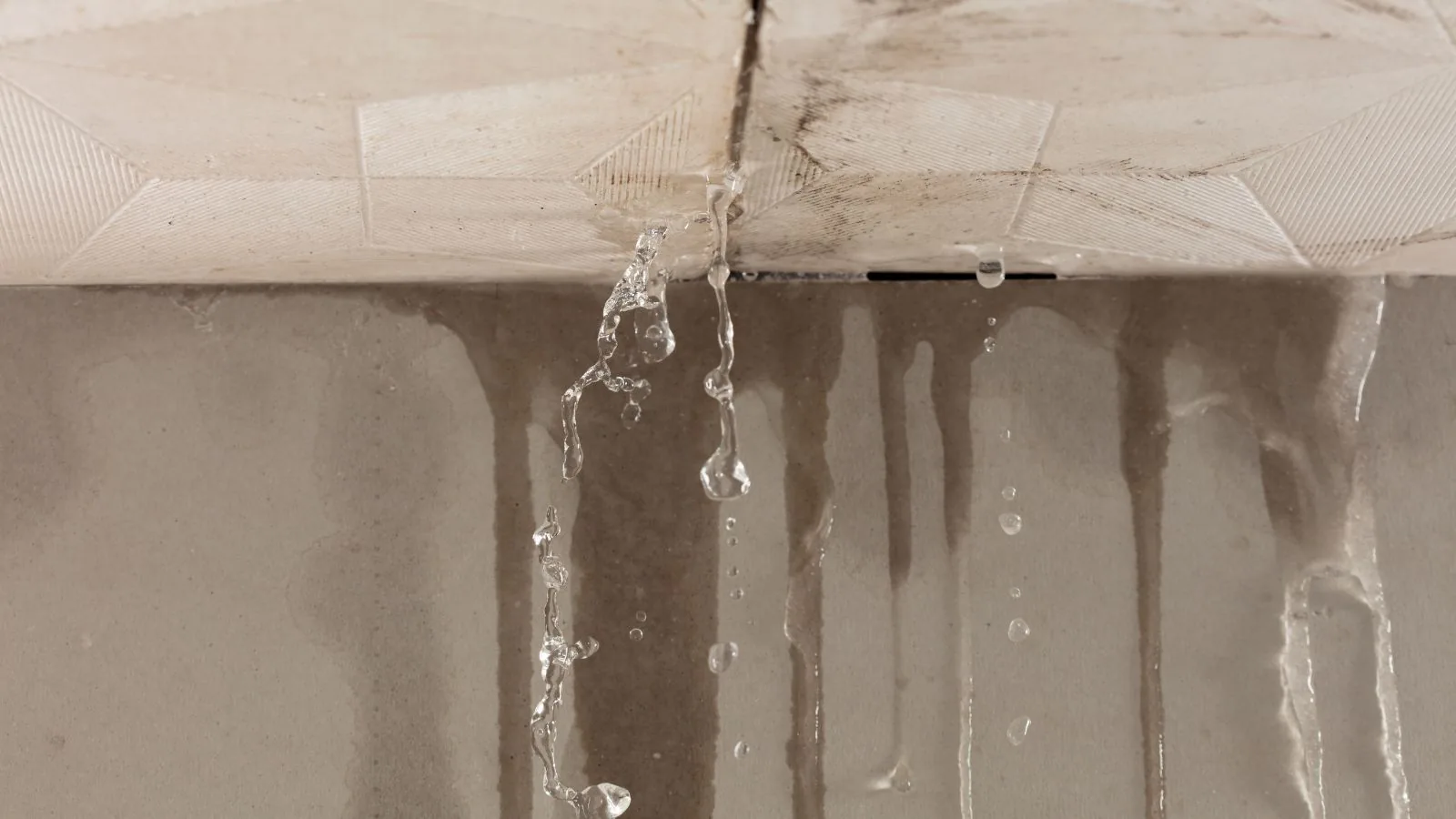
A water damage insurance claim in Selden, NY goes best when you do things in a set order: make the area safe, stop the water, record everything, report the loss, then dry. The record you build in the first hour often matters more than any phone call that follows. Photos, dated notes and moisture readings show what the water did before anyone starts removing wet material.
This guide is about documentation and sequence, not about whether your policy will pay. That question belongs to your insurer and your policy wording. What you can control is how clearly the damage is shown.
The order of steps, start to finish
- Get everyone clear of danger. If water is near outlets, a panel or a gas appliance, call 911 or the utility before anything else.
- Stop the source. Close the fixture shut-off or the main valve, and turn off power to wet areas only if the panel is dry and safe to reach.
- Take wide photos and video of every affected room before moving anything.
- Move small valuables and lift furniture legs off wet flooring to limit further loss.
- Call your insurer to report the loss and write down the claim number, the date, and the name of the person you spoke with.
- Get a written drying scope with moisture readings so the full extent is recorded.
- Begin drying promptly, because wet drywall and padding keep getting worse.
- Keep every receipt and every message until the claim is closed.
Step 3 comes before step 4 for a reason. A photo of a soaked rug in its original position tells a clearer story than a photo of the same rug dumped in the driveway.
The photo and video checklist
Think of the camera as your witness. Take more shots than seem necessary, because storage is cheap and a missing angle cannot be recreated later. Your phone stamps each file with a date and time, which helps establish when the loss was found.
- One wide shot of each affected room from the doorway
- Close-ups of every stain, bubble, crack or sag, with a coin or tape measure for scale
- The source itself: the failed hose, the split pipe, the ceiling opening, the appliance
- Water lines on walls, and the height of standing water if any remains
- Brand labels and model plates on damaged appliances and electronics
- Floor coverings, baseboards and the bottom of cabinet doors
- A slow video walk-through narrating what you see and the time of day
- The same views again after cleanup starts, so before and after can be compared
Talk to dispatch about your situation.
Call (934) 223-1875Moisture readings and what they add
Photos show what you can see. Water also travels inside wall cavities, under flooring and above ceilings where no camera reaches. A moisture meter and a thermal imaging camera help map that hidden spread, and a written reading gives the insurer numbers rather than impressions.
| Reading | Where it is taken | Why it belongs in the file |
|---|---|---|
| Moisture meter on drywall | Low on walls, at several heights | Shows how far wicking has climbed above the visible stain |
| Moisture meter on wood | Subfloor edges, studs, baseboards | Separates surface wetness from saturation |
| Thermal image | Ceilings, wall faces, floor areas | Reveals cooler wet zones behind intact surfaces |
| Daily follow-up readings | Same marked spots each visit | Shows materials moving toward dry, or not |
A scope that records readings on day one and again each day afterward gives a clear trail from wet to dry. Crews that work to the ANSI/IICRC S500 standard for water damage build that trail as part of the job. You may ask any company whether it does.
What to keep and what can go
Resist the urge to haul everything to the curb on day one. Insurers often want to inspect damaged items or at least see photos of them, and a wet mattress in the trash cannot be inspected. Photograph first, then decide, and ask your insurer before discarding anything of high value.
- Keep a labeled sample of damaged flooring, tile or trim if your insurer may ask to see it
- Keep the failed part, such as a split supply line or a cracked fitting
- Keep every receipt for emergency repairs, drying, storage and temporary housing
- Keep the claim number, adjuster notes and a log of each call with date and time
- Throw away only items that are clearly unsafe, such as anything touched by sewage, after photographing them
Build the contents list while memory is fresh
Walk room by room with your phone and list each damaged belonging with its approximate age, where it was bought, and what it cost if you know. Receipts, bank statements and online order histories fill gaps. A list written within a few days is far more complete than one reconstructed weeks later.
Reporting the loss and talking with your insurer
Report promptly, since many policies set notice requirements and a late report can complicate things. Ask your insurer for the filing deadline and what proof they want. Be factual about what happened, avoid guessing at causes you cannot confirm, and ask for anything important in writing.
Read any scope or settlement figure before agreeing to it. If a figure looks lower than the work needed, you can ask what it covers and request a review. The decisions about payment stay between you and your insurer.
How our scope supports your record
We dispatch licensed and insured crews 24/7, and same-day response is available when schedules allow. On arrival the crew photographs the damage, takes moisture readings and writes up a scope that is explained to you, with the price, before any work starts. That document is there to support your own claim, and nothing in it promises what an insurer will approve.
Standing water usually comes out first through water extraction, and the process that follows is described on the structural drying page. If the leak began inside a ceiling or wall, the ceiling water damage repair page covers what the crew looks for there. To start, call (934) 223-1875.
Claim paperwork for Selden homes
If the water came from outside your walls, find out who supplies it. The Suffolk County Water Authority serves much of Suffolk County, and a main break or pressure surge is a different story from a failed fitting in your own house. Check your water bill to confirm your supplier, then use SCWA customer service at (631) 698-9500 or the main break map at scwa.com/main-breaks, and photograph what you find.
Many Selden houses date from the postwar building years, so a pre-1980 home may have older paint, flooring or insulation that needs testing before demolition. Record that in your notes if cleanup involves tearing out materials. When a rebuild comes later, permit rules vary, so ask the Town of Brookhaven Division of Building before you assume anything.
The same record-keeping habits apply for readers in Mount Sinai, where tidal water near the harbor raises its own insurance questions, and in Middle Island, where a lake-side home may need a flood map check before filing.
Questions we hear in Selden
How soon should I report water damage to my insurer?
As soon as you can, and ideally the same day. Many policies include a duty to give prompt notice and to protect the property from more harm.
Ask your insurer for their exact deadlines, since they differ by policy.
Can I start cleanup before the adjuster comes?
Usually yes, once you have photographed everything. Stopping the source and removing standing water limits further loss, and most policies expect it.
Save damaged samples and keep your receipts, and tell your insurer what you plan to do.
What if the water came from a broken SCWA main in Selden?
Document your own damage the same way, and note the date and time you found it. Contact SCWA at (631) 698-9500 to report what you saw.
Whether any party is responsible for your loss is a question for your insurer and, if needed, an attorney.
Do I need moisture readings if I can see the damage?
They are strongly worth having. Visible stains usually show less than what is wet inside the wall or under the floor.
Readings taken on day one and repeated daily show the full extent and then show the drying progress.
Is a written scope the same as an estimate from my insurer?
No. A drying scope describes what the crew will do and how, while your insurer prepares its own evaluation of the loss.
The two may differ, and having a clear record of your own helps when you discuss the gap.
Ready to talk it through?
Call (934) 223-1875