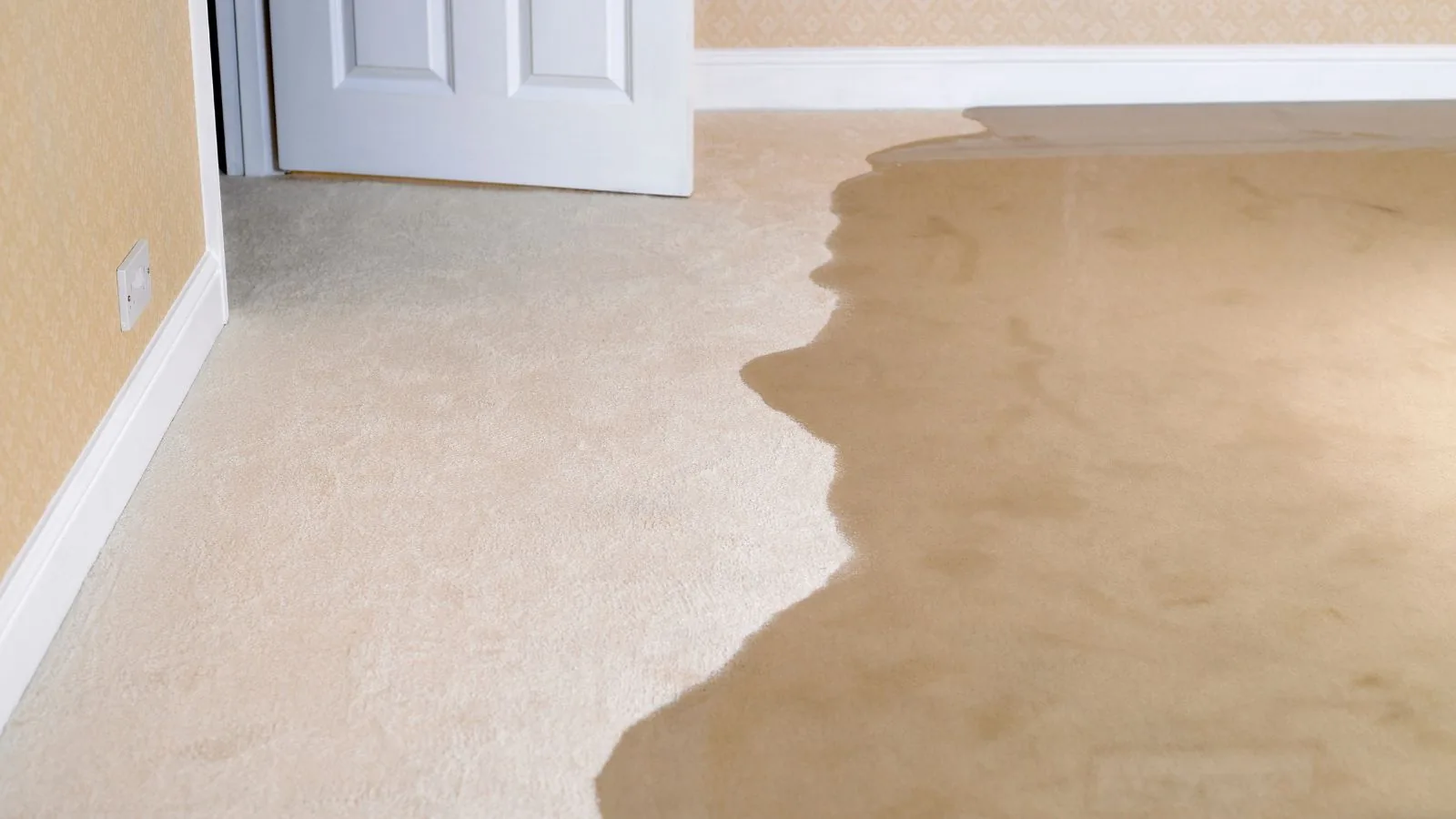
A wet mattress or sofa after a leak in Selden, NY can sometimes be saved if the water was clean and you act within about 24 to 48 hours. If the water was grey or black, or the piece has sat wet for several days, replacement is the safer call. Two questions settle most cases: where did the water come from, and how long has the piece been wet?
Below you will find a salvage table, cleaning steps for pieces worth keeping, and a photo list to build before anything leaves the house. It is general guidance. A crew with a moisture meter can read what your hands cannot.
Start with the source of the water
Restoration crews sort water into three categories under the IICRC S500 standard, and the sorting applies to upholstery and bedding as much as to floors. Category 1 is clean water, such as a split supply line. Category 2 carries some contamination, such as washing machine discharge. Category 3 is grossly contaminated, such as sewage or flood water.
| Where the water came from | Category | Mattress | Sofa or upholstered chair |
|---|---|---|---|
| Supply line, ice maker line, clean sink overflow | 1 | Often dryable if caught within a day or two, since foam and springs can be extracted and aired | Often dryable. Cushions are pulled out, extracted and aired, and the frame is checked |
| Washing machine or dishwasher discharge | 2 | Usually discarded, because soapy gray water soaks deep into the padding | Judged piece by piece. Upholstery is usually replaced, a hard frame may be cleaned |
| Sewer backup, toilet overflow with waste, flood water | 3 | Discard | Discard the fabric and padding. A solid wood frame may be cleaned by a professional |
| Clean water that sat more than 48 to 72 hours | Treat as 2 or worse | Discard in most cases, since mold can start inside the layers | Cushions are usually discarded, and the frame may be kept |
The clock matters because clean water does not stay clean. Bacteria and mold growth can push Category 1 water toward a worse category over time, and a mattress traps warmth and moisture in its middle layers. That is one reason EPA guidance asks for wet materials to be dried within 24 to 48 hours.
Why these two pieces dry so slowly
A queen mattress is roughly 60 by 80 inches of foam, batting and ticking, and water wicks toward the center where air barely reaches. Sofas add a wood or particleboard frame, webbing and foam cushions wrapped in fabric. Particleboard swells when wet and does not shrink back.
Surface checks mislead. The top can feel dry while the core stays wet. Pin and pinless moisture meters read below the surface, and a thermal imaging camera shows cool, wet patches that your palm will miss.
Talk to dispatch about your situation.
Call (934) 223-1875Steps for a piece worth saving
Use these only for Category 1 water caught early. Anything that touched sewage or flood water should not be cleaned at home.
- Stop the water source and keep power off any wet outlet. Unplug an adjustable bed base or power recliner only if the cord and outlet are dry and easy to reach.
- Move the piece to a dry room, garage or porch, and set it on blocks so air can reach the underside.
- Strip bedding and remove cushion covers. Wash anything the care tag allows, and bag the rest.
- Blot, do not rub. Press dry towels into the surface and swap them out until they come up damp instead of wet.
- Run a wet-dry vacuum over the surface, then stand the mattress on its edge or prop the sofa so air moves around every side.
- Aim a fan at the piece and run a dehumidifier in the room. Skip heaters and steam cleaners, since heat can set stains and warp foam.
- Check again at 24 and 48 hours. A musty smell, a cool damp core or any spotting means it is time to discard the piece.
Photograph before you toss anything
Insurers generally want to see the loss, not just hear about it. Build the record before the piece goes to the curb.
- One wide photo of the room, showing the item in place and the water source nearby.
- Close-ups of wet areas, stain lines and the manufacturer tag with brand, model and size.
- The failed part itself, such as the split hose or stained ceiling, with a date on your phone photo.
- A written list with each item, its age, where you bought it and a rough purchase price.
- Any moisture readings a technician takes, saved with the date and the spot they were taken.
Ask your insurer whether it wants to see the item before disposal, and check your policy for personal property limits and deductibles. Sudden and accidental damage is often covered, while gradual leaks often are not. We document damage with photos, moisture readings and a written scope to support your own claim, but coverage is your insurer's decision.
When the furniture is the small part of the problem
If water reached the subfloor, ran down a wall or covered more than one room, the couch is the least of it. Water extraction pulls standing water out first, and structural drying then handles the floor, framing and wall cavities. A leaking washer line or dishwasher hose falls under appliance leak cleanup.
We are a restoration company, not a plumber, so a licensed plumber still needs to repair the pipe or valve. Our crews are dispatched around the clock to Selden and to nearby Mount Sinai and Middle Island addresses, and we explain the scope and price before work starts.
Stay out of contaminated water
If the water came from a drain, a toilet or a sewer line, keep people and pets away and do not handle the wet furniture yourself. If outlets or appliances are wet, cut power at the panel only if the panel is dry and safe to reach. For any smell of gas or sign of electrical danger, call 911 or the utility before anything else.
Selden notes for soaked bedding and furniture
Many Suffolk County homes are on septic systems or cesspools instead of sewers, so ask whether your home is on a sewer or a private septic system. If a drain backs up onto a rug or sofa, that answer tells you which professional to call for the line itself. The soaked upholstery is discarded either way.
Suburban development in Selden took off in the early 1950s, so a house from the postwar decades may still have original galvanized supply lines. A slow pinhole leak in a bedroom wall can wet the edge of a mattress for days before anyone smells it. Check the wall behind a headboard. To confirm your public water supplier, usually the Suffolk County Water Authority, check your water bill.
Questions we hear in Selden
Can a mattress be saved after it gets wet?
Sometimes. A mattress soaked with clean water and dried quickly may be saved, but one that stayed wet for days or took in gray or black water is normally discarded.
A mattress cannot be judged by touch alone. If you are unsure, ask a crew to take moisture readings.
How long can a wet couch sit before it must be thrown out?
There is no single number, but the general target is to dry wet materials within 24 to 48 hours. Past two or three days, upholstery foam and padding tend to hold moisture and odor.
Contaminated water shortens the window to zero, since those pieces are replaced.
Is a dried mattress fine to sleep on again?
Only if it is dry all the way through, smells neutral and shows no spotting along seams or the underside. When any of those fail, replacement is the sensible choice.
Questions about health and sleep belong with your physician.
Should I keep the ruined sofa until my insurer looks at it?
Ask your insurer before disposal. Some want to see the piece or a set of photos first, and others only need clear images and a list.
If told to keep it, store it outdoors or in a garage, bagged.
A drain backed up in my Selden home and soaked the sofa. Who do I call?
Ask whether your home is on a sewer or a private septic system, then call a licensed plumber or septic service for the line. A restoration crew handles the cleanup and drying once the backup is stopped.
Keep everyone out of the affected room until it has been cleaned and treated.
Ready to talk it through?
Call (934) 223-1875